
Board Certified Immunologist & Allergist
Blog
Podcast
Podcast
Navigating the Holidays With Food Allergies: Reducing Stress, Setting Boundaries, and Staying Safe
The holiday season can amplify stress for those living with food allergies or chronic illness. In this episode of Immune Edit, Dr. Doug Jones shares practical strategies to reduce anxiety, prevent cross-contamination, set healthy boundaries, and enjoy the holidays safely—without guilt, fear, or unnecessary stress.

December 19, 2025
9 Minutes
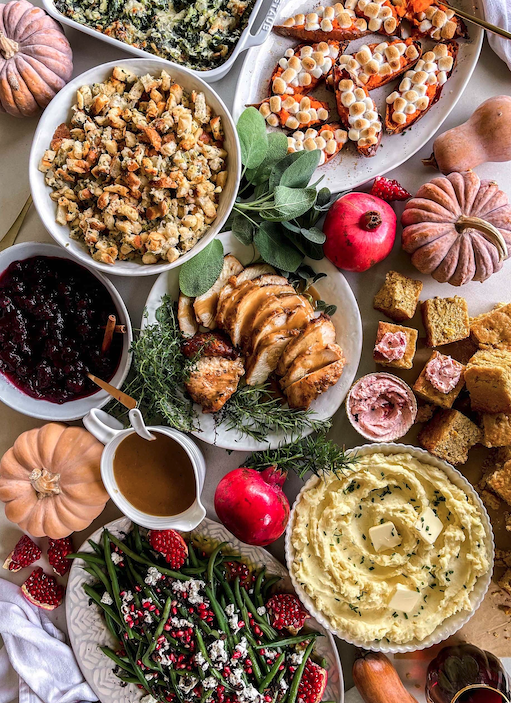
It’s beginning to look a lot like cross-contamination everywhere you go. Yes, I will keep my day job as a doctor. I will not be singing, but the holidays are basically a potluck hosted by people who swear their secret ingredient is love, when it’s really crushed walnuts and it just puts you at risk and you are just worrying about that the whole time.
So the holidays just magnify everything. They magnify our joy, our family time, but also our stress and it may even magnify our food-related cortisol spikes. And if you have chronic disease, sometimes it can magnify the effects of that chronic disease. Because of that underlying stress and because of all the things that go into the holidays and the holiday parties, you’re not just managing a medical condition — you’re having to manage fear and social expectations and family dynamics. And it can get chaotic and you can just feel that load, and sometimes it makes it just not so enjoyable.
So I’m hoping today that we can go over a few tips to help you navigate the holidays so that we’re magnifying as much joy and safety as we possibly can and minimizing as much stress and detriment as we possibly can.
Tip #1: Plan to Relax
Let’s go over just a few tips. Number one: plan to relax.
Oftentimes our schedules get so busy and so packed, and it’s hard to say no to so many things that we forget to kind of build in some rest time and some relaxation time. Make sure that you are taking that time and you’re building that time in.
Tip #2: Boundaries Are Medical Equipment
Build some boundaries. Boundaries are an option. It’s actual medical equipment. It’s your medical equipment to keep you safe.
Set some boundaries because that will actually help you to achieve number one — relax a little more. If you have those boundaries in place, you’ll be more confident that perhaps you know what the menu is ahead of time. You’re setting that menu so you know what’s there. You’re bringing your own dishes. You’re teaching your children phrases to help them feel confident, not apologetic.
And also realize that “no” is a complete sentence and you don’t have to explain yourself.
If you know Aunt Linda gets offended because you’re not consuming her walnut-laced dish, that’s a Linda problem, not a you problem. Okay? Just remember that. That’s her.
You are not being a pain. You are looking out for your health or your child’s health.
Tip #3: Reduce the Unknowns
Let’s reduce the unknowns. Reduce the variables.
The brain fears what it can’t predict. The unknown creates an emotional load — an enormous emotional load. So the more that we can make predictable, the more we can create the knowns, the better.
This is where neuroscience meets self-care. Predictability will lower anxiety pathways. So as much as possible, pre-check your environments. Have backup plans. Have your medications. Have your devices. Have your action plans ready. Do all of that ahead of time.
Be prepared, not scared.
Preparedness reduces fear because it tells the nervous system, “You’ve got this covered.”
Tip #4: Stop Carrying the Guilt
Stop carrying the guilt. That doesn’t belong to you.
The emotional load is heavy not because you’re weak — the emotional load is heavy because the stakes are real. Asking for safety isn’t a burden. It’s a boundary.
Needing something to be different isn’t being difficult. It’s your biology.
Having symptom flare-ups or something happening isn’t ruining it for everyone else. It’s something that needs to be respected and addressed.
Have confidence, not apology. Have clarity, not guilt.
Tip #5: Create Safe Traditions
Create traditions that feel safe and satisfying.
Celebrate with foods that you know are safe. Food is such a central feature of celebrations, but maybe build new rituals that don’t revolve entirely around food.
Empower children to be part of the planning.
Traditions can evolve — so can yours. Build safe, enjoyable things that create knowns instead of unknowns.
Tip #6: Don’t Let Social Media Dictate Your Emotional Reality
Don’t let social media dictate your emotional reality.
People online love selling certainty — especially false certainty. Chronic illness and allergies make you more vulnerable to advice that sounds comforting but isn’t grounded in reality.
Know your boundaries. Listen for the signal amid the noise.
Tip #7: Honor What You’re Carrying
Give yourself permission to feel what you feel — relief, grief, frustration, exhaustion. They all belong.
You’re not overreacting. You’re paying attention.
Chronic disease asks you to be responsible for things others take for granted. That’s emotional labor. Acknowledge it. Honor it.
You may be carrying things others can’t see, but you also have strength and resilience they can’t see either.
Closing Thoughts
You deserve joy. You deserve safety. You deserve rest.
The holidays don’t have to be tests of endurance. They can be moments of connection, grounding, pride in how far you’ve come, and deeper understanding.
Your boundaries are part of your medical plan. You matter. Your voice matters. How you feel matters.
And if you’re on the other side of this — if you don’t have food allergies or chronic disease — lean in with compassion. Seek understanding.
Most stress comes from the unknown and from misunderstanding.
We’re all important. Every single person is.
You’re not the wrong kind of sick.
Let’s lean in this season so we can have joy, rest, and above all — safety.
Cheers, and Happy New Year.